Biblical literalism

Definition and stakes

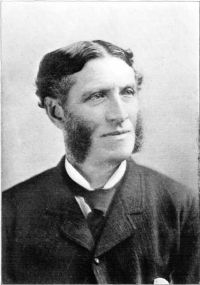
Portrait of Richard Heber Newton Richard Heber Newton,  The Right and Wrong Uses of the Bible

“ No archaisms in Biblical thought destroy its spiritual power over us. Nay, rather do they strengthen that power: as in our devotions we naturally seek old and quaint forms, buildings unlike other structures, music which sounds from out the past, words that are mellow with the rich hues of age; as the archaisms of the language of our English Bible hold a power that is lost in the raw correctness of the revised version.
In the literature of power the Bible ranks first. Whatever in Christian literature has most searching ethical and spiritual energy radiates the reflected light of the Bible.
”
Source: Gutenberg

Elizabeth O'Neill,  Stories That Words Tell Us

“ But the great effect which the Bible has had on the English language is not in the preserving of old words and the making of new. Its chief effect has been in the way many of its expressions and phrases have passed into everyday use, so that people often use Biblical phrases without even knowing that they are doing so, just as we saw was the case with many phrases taken from Shakespeare's works.
Every one knows the expression to cast pearls before swine, and its meaning, "to give good things to people who are too ignorant to appreciate them."
”
Source: Gutenberg

Edward Slater,  Biblical Revision

“ But while these find Scripture so plain as to be able to dispense with the Critic’s art, and all other aid, to throw further light on their contents, there are those, on the other hand, who love a Mysterious Bible, and to whom the whole science of Biblical interpretation is positively distasteful, as savouring of the wisdom of man rather than of the grace of the Spirit. They find their devotion fed, as they think, by the Mystical element, and revel in difficulties that to others are simply discomfiting. ”
Source: Gutenberg

Get perspective with Kwize: daily news enlightened by great literature