Birdwatching

Definition and stakes

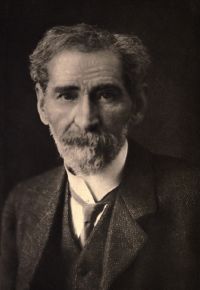
H. G. Adams,  Nests and Eggs of Familiar British Birds…

“ It is a nimble active bird, constantly running about on the open plains and ploughed fields in search of food, which consists of insects of various kinds, green corn and leaves of vegetables, small berries, etc.; or in flying hither and thither in the air, now close to the ground as if about to settle, and then with a sudden upward wheel urging a strong and swift flight to some distant part of the field, or sea shore, which is a favourite resort in winter, where the birds collect in large flocks, uttering their wild shrill whistle, which harmonizes well with the sounds of the winds and waves. ”
Source: Gutenberg

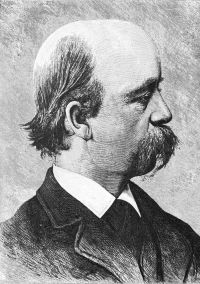
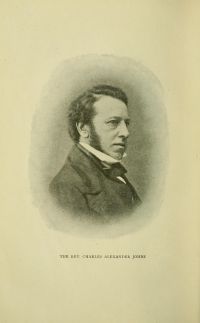
Portrait of C. A. Johns C. A. Johns,  British Birds in Their Haunts

“ Their flight is rapid and sweeping, consisting of a succession of curves, while performing which they show sometimes their upper grey plumage, and at other times the under, which is of a dazzling white. Occasionally, too, as they wheel from one tack to another, every bird is lost sight of, owing to the perfect unanimity with which, at the same instant, they alter their course, and to the incapacity of the human eye to follow the rapid change from a dark hue to a light. ”
Source: Gutenberg

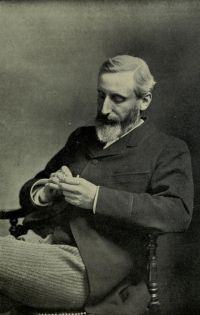
Lenwood Ballard Carson,  Introduction to Our Bird Friends…

“ Each bird has its characteristic song.
Bird study can be pursued with as much effort as the watcher cares to exert. Birds need food, water and protection from their natural enemies. You can provide these in your own yard. Some birds will be attracted and you can study them at your leisure. Other species, those which live in swamps, for example, must be searched for aggressively.
A bird guide is a splendid investment, considering the hours of pleasure it will bring you. Binoculars are a help, too, in studying the size, shape, beak, legs and color pattern.
”
Source: Gutenberg

Get perspective with Kwize: daily news enlightened by great literature