Breach of the peace, a legal term referring to disorderly behavior that disturbs public calm, has long been central to debates on law, governance, and social harmony. From its origins in English common law to contemporary regulations in Scotland and Hong Kong, the concept highlights the balance between personal conduct and communal safety.
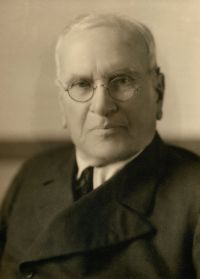
Scholars such as Thorstein Veblen noted that such disturbances often arise from state-led actions, while Franklin Henry Giddings cautioned against the danger of returning to “armed peace” following conflicts. ʻAbdu'l-Bahá viewed war as a possible means to achieve peace when fought for just causes, demonstrating the theme’s intricate relationship with justice and authority. These diverse viewpoints illustrate breach of the peace not only as a legal tool but also as a symbolic arena for competing societal values.
 Thorstein Veblen,
An Inquiry into the Nature of Peace and the Terms of Its Perpetuation
Thorstein Veblen,
An Inquiry into the Nature of Peace and the Terms of Its Perpetuation