Brutishness

Definition and stakes

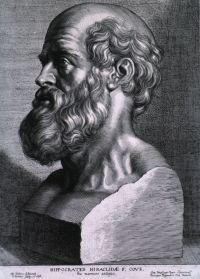
Portrait of Aristotle Aristotle,  Nicomachean Ethics (1908)

“ To have these various types of habit is beyond the limits of vice, as brutishness is too; for a man who has them to master or be mastered by them is not simple (continence or) incontinence but that which is so by analogy, as the man who is in this condition in respect of fits of anger is to be called incontinent in respect of that feeling but not incontinent simply. For every excessive state whether of folly, of cowardice, of self-indulgence, or of bad temper, is either brutish or morbid ”
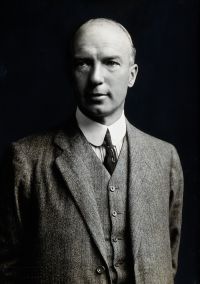
Source: Wikisource

Charles Southwell,  An Apology for Atheism

“ If he do not impute to his God of mercy cruelty and injustice the most monstrous that can enter into human conception, all language is void of meaning, and men had far better cease 'civilising,' and betake themselves to woods and wilds and fastnesses, to enjoy the state of mere brutishness so infinitely preferable to that reasonable state in which they are shaken and maddened by terrible dreams of a vengeful cruel God. ”
Source: Gutenberg

Portrait of Aristotle Aristotle,  Nicomachean Ethics (c. 334 BC - 330 BC)

“ Only with the first of these are temperance and self-indulgence concerned; this is why we call the lower animals neither temperate nor self-indulgent except by a metaphor, and only if some one race of animals exceeds another as a whole in wantonness, destructiveness, and omnivorous greed; these have no power of choice or calculation, but they are departures from the natural norm, as, among men, madmen are. Now brutishness is a less evil than vice, though more alarming; for it is not that the better part has been perverted, as in man,-they have no better part. ”
Source: http://classics.mit.edu/Aristotle/nicomachaen.mb.txt

Get perspective with Kwize: daily news enlightened by great literature