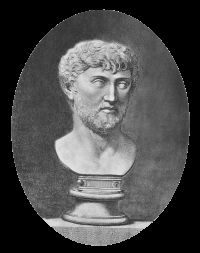
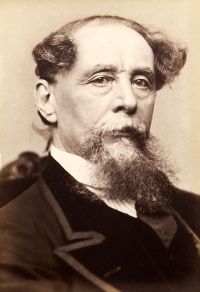
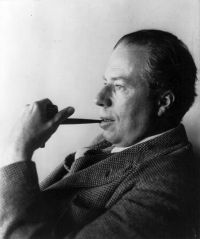
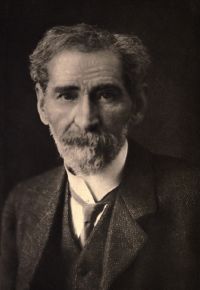
The concept of "burn" encompasses both physical destruction and metaphorical transformation, serving as a versatile motif in literature. From Charles Dickens’ depiction of a reluctant fire in Great Expectations to Titus Lucretius Carus’ vivid imagery of flames consuming mountains in On the Nature of Things, authors have explored its dual nature—literal and symbolic.
John Donne frames it as a spiritual cleansing in his sonnets, while D. K. Broster evokes its haunting aftermath in The Flight of the Heron. Folklorist William Henderson links it to signs of life and death, and John Bunyan associates it with divine conflict. These varied perspectives reveal "burn" as a lens through which human experiences of passion, peril, and renewal are refracted.
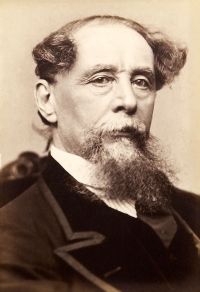 Charles John Huffam Dickens,
Great Expectations
(1861)
Charles John Huffam Dickens,
Great Expectations
(1861)