Buddhi

Definition and stakes

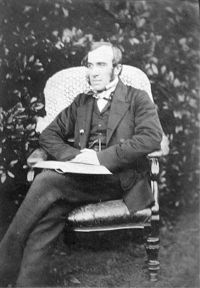
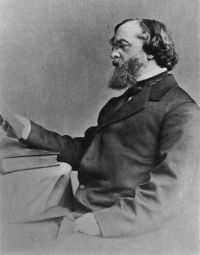
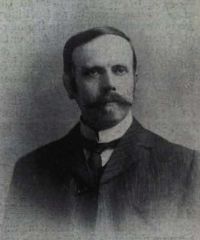
Portrait of Surendranath Dasgupta Surendranath Dasgupta,  A History of Indian Philosophy…

“ These images by the dual reflection of buddhi and puru@sa are constantly becoming conscious, and are being interpreted as the experiences of a person. The existence of the puru@sa is to be postulated for explaining the illumination of consciousness and for explaining experience and moral endeavour. The buddhi is spread all over the body, as it were, for it is by its functions that the life of the body is kept up; for the Sâ@mkhya does not admit any separate prana vâyu (vital breath) to keep the body living. ”
Source: Gutenberg

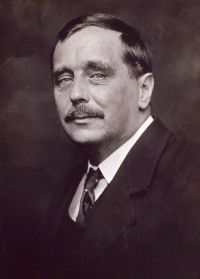
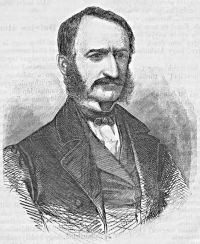
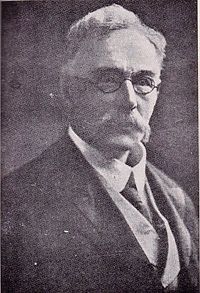
Paul Ambroise Bigandet,  The Life or Legend of Gaudama, the Buddha of the Burmese…

“ The mission of a Buddha is that of a saviour. His great object, to make use of a Buddhistic expression, is, during his existence, to procure the deliverance of all the beings that will listen to his instructions and observe the precepts of the law. He is distinguished by feelings of compassion and an ardent love for all beings, as well as by an earnest desire of labouring for their welfare. ”
Source: Gutenberg

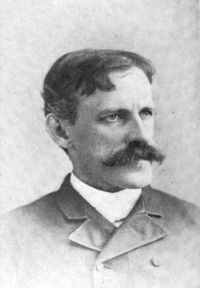
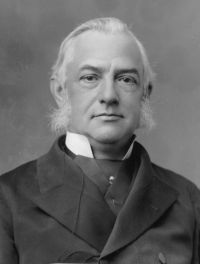
Portrait of Ernest Binfield Havell Ernest Binfield Havell,  A Handbook of Indian Art (1920)

“ For the two central ideas which run through all Buddhist iconography are as certainly derived from an ancient Indo-Aryan tradition as are the stūpa and the sikhara, to which they are closely related. In the first the Buddha is conceived as the Great Guru, the Muni [2] who by the power of Yoga has obtained full insight into all the mysteries of the universe and has become the teacher of the law. He is the Buddhist counterpart of the Brahman Mahā-Yogi, Siva, worshipped through the jnāna-marga, the Path of Knowledge. ”
Source: Wikisource

Get perspective with Kwize: daily news enlightened by great literature