Casting (manufacturing)

Definition and stakes

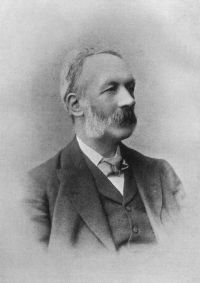
Chester L. Lucas,  Die Casting: Dies—Machines—Methods

“ The possibilities of die-casting are numerous. By this method of manufacturing it is possible and practical to cast pieces that could not possibly be machined. It is an every-day occurrence to make castings with inserted parts of another metal, as, for instance, a zinc wheel with a steel hub. It is also possible to make babbitt bearings that are harder and better than can be made in any other way. Often there are two or more parts of a device that have formerly been made separately, machined and assembled, that can be die-cast as one piece. In such cases the saving in production is very great. ”
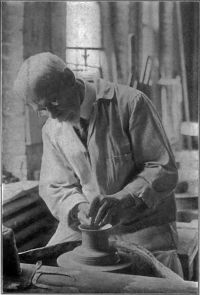
Source: Gutenberg

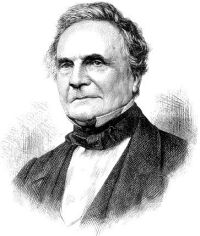
Portrait of Charles Fergus Binns Charles Fergus Binns,  The Potter's Craft: A Practical Guide for the Studio and Workshop

“ In commercial production the casting method is constantly used. It is a means of making light and delicate pieces with ease and, of course, all the pieces cast in the same mold are alike. This very fact, however, has led to the method being disregarded by the studio worker who does not wish to duplicate anything that he makes. If a single piece only is to be made the work involved in molding is a waste of time and it is better to strive for skill at the wheel, and yet there are occasions when a knowledge of casting is of great value. ”
Source: Gutenberg

Get perspective with Kwize: daily news enlightened by great literature