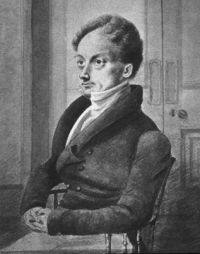
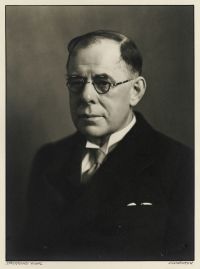
Causation refers to the relationship between an event (the cause) and a subsequent event (the effect), a concept central to philosophical and scientific exploration. Thinkers such as George John Romanes examined its origins, proposing that it may arise from intrinsic mental principles, while John Wesley Powell highlighted its complexity, pointing out that attributing effects to single causes often oversimplifies intricate interactions.
Josiah Royce viewed causation as a transcendent connection between experience and the external world, and William Whewell contended that it goes beyond empirical observation, allowing for the inference of a "First Cause." These viewpoints illustrate causation as a link between observable occurrences and metaphysical thought, influencing how humans understand interrelatedness in both natural and abstract domains.