Cave bear

Definition and stakes

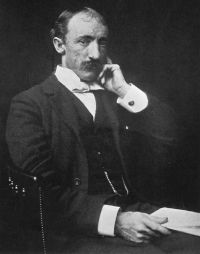
Stanley Waterloo,  The Story of Ab: A Tale of the Time of the Cave Man

“ The mammoth with its young had swung clumsily across the area of rich feed, and, lurking in its train, eyeing hungrily and bloodthirstily the mammoth's calf, had crept the great cave tiger. The monster cave bear had shambled through the high grass, seeking some small food in default of that which might follow the conquest of a beast of size. The uncomely hyenas had gone slinking here and there and had found something worthy their foul appetite. ”
Source: Gutenberg

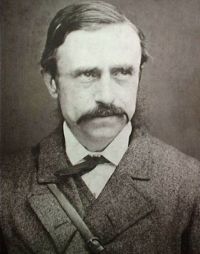
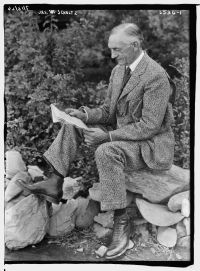
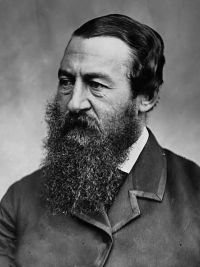
Portrait of Sir Samuel White Baker Sir Samuel White Baker,  Wild Beasts and Their Ways, Reminiscences of Europe…

“ The fruits of late autumn fatten the bear to a maximum condition, and when the harvest is over, and the ground is covered with a dense sheet of snow, it retires to some well-known cave, high among the mountains, in such undisturbed seclusion that it is seldom visited by the foot of man. Within a cave, nestled in ferns or withered leaves and grass, the fatted bruin curls itself to sleep throughout the winter months, and the warmth necessary to its existence is supplied by its own fat, which, being rich in carbon, supports vitality at the expense of exhaustion of supply. ”
Source: Gutenberg

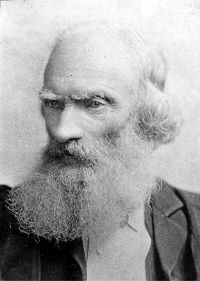
Portrait of William Boyd Dawkins William Boyd Dawkins,  Cave Hunting

“ These explorations establish the fact that, in the antediluvian age which we now term pleistocene, the lion, the cave-bear and grizzly bear, and cave-hyæna abounded in Germany, and that they sought as their prey not merely the wild animals now living in that region, but the reindeer, mammoth, woolly rhinoceros, and Irish elk. ”
Source: Gutenberg

Get perspective with Kwize: daily news enlightened by great literature