Caveat emptor

Definition and stakes

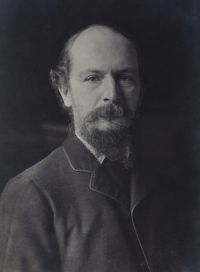
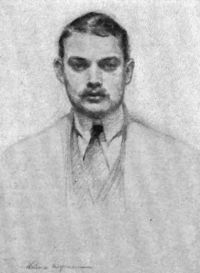
Portrait of Elbert Hubbard Elbert Hubbard,  Little Journeys to the Homes of the Great - Volume 11

“ In law the buyer and the seller are supposed to be people with equal opportunity to judge of an article and pass on its value. Hence there is a legal maxim, "Caveat emptor"—"Let the buyer beware"—and this provides that when an article is once purchased and passes into the possession of the buyer it is his, and he has no redress for short weight, count or inferior quality. Behind that legal Latin maxim, "Caveat emptor," the merchant stood for centuries, safely entrenched. ”
Source: Gutenberg

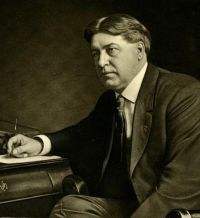
Portrait of Max Heindel Max Heindel,  Gleanings of a Mystic: A Series of Essays on Practical Mysticism

“ But it sometimes happens that in spite of their desire to serve their customers, something goes wrong and an angry, dissatisfied buyer comes blustering in, decrying their goods. Under the old shortsighted regime of caveat emptor the merchant would have merely laughed or thrown the buyer out of the door. Not so the modern merchant, who takes his Bible into business. ”
Source: Gutenberg

Get perspective with Kwize: daily news enlightened by great literature