Trinket

Definition and stakes

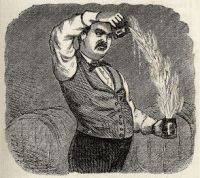
Portrait of Charles Kingsley Charles Kingsley,  Alton Locke, Tailor and Poet: An Autobiography

“ Everybody drinks it; and you shall, too—you shall!" he cried, with a fearful oath, "and then see if you don't run off to the gin-shop, to take the taste of it out of your mouth. Drink? and who can help drinking, with his stomach turned with such hell-broth as that—or such a hell's blast as this air is here, ready to vomit from morning till night with the smells? I'll show you. You shall drink a bucket full of it, as sure as you live, you shall." ”
Source: Gutenberg

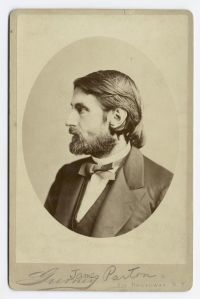
John Bickerdyke,  The Curiosities of Ale & Beer: An Entertaining History

“ The writers of the day are loud in their abuse of beer. In the passages from Andrew Boorde’s Dyetary (1542) , quoted in Chapter I. (p. 6) , ale is described as being the natural drink of Englishmen, and made of malt and water, while beer, which is composed of malt, hops, and water, is the natural drink of a Dutchman, and of late is much used in England, to the great detriment of many Englishmen. There is a truly insular ring about this. We should like to enlighten old Andrew’s darkness by a draught of sparkling Burton. ”
Source: Gutenberg

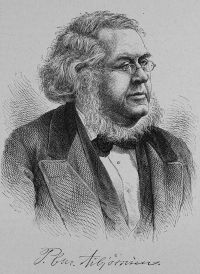
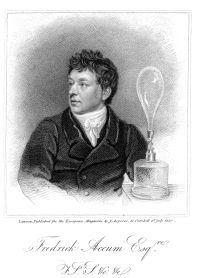
Portrait of Friedrich Christian Accum Friedrich Christian Accum,  A Treatise on Adulterations of Food…

“ By the Excise laws at present existing in this country, the various degrees of strength of brandy, rum, arrack, gin, whiskey, and other spiritous liquors, chiefly composed of little else than spirit of wine, are determined by the quantity of alcohol of a given specific gravity contained in the spiritous liquors of a supposed unknown strength. ”
Source: Gutenberg

Get perspective with Kwize: daily news enlightened by great literature