Character (ethics)

Definition and stakes

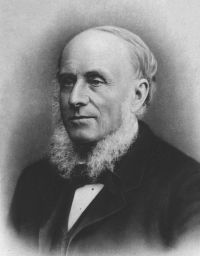
Portrait of George Edward Moore George Edward Moore,  Principia Ethica — Chapter I (1903)

“ Whenever we say, ‘So and so is a good man,’ or ‘That fellow is a villain’; whenever we ask, ‘What ought I to do?’ or ‘Is it wrong for me to do like this?’; whenever we hazard such remarks as ‘Temperance is a virtue and drunkenness a vice’—it is undoubtedly the business of Ethics to discuss such questions and such statements; to argue what is the true answer when we ask what it is right to do, and to give reasons for thinking that our statements about the character of persons or the morality of actions are true or false. ”
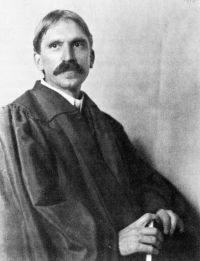
Source: Wikisource

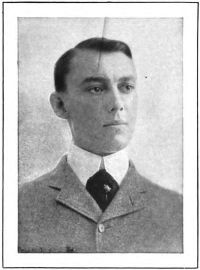
M. Valentine,  Theoretical Ethics

“ The intention to do what is known to be wrong, even when the overt deed is prevented, stamps upon the person its own moral character.
In intentions we find the teleology of the ethical conduct—the chosen ends at which men are aiming in their constant endeavor—and they have a place of importance corresponding to this directive relation. Life moves as these turn, and the great body of human activity, in its mighty sweep of purposive conduct, whether rising into its loftiest and purest virtues or descending to its lowest and most horrid crimes, is their result.
”
Source: Gutenberg

Get perspective with Kwize: daily news enlightened by great literature