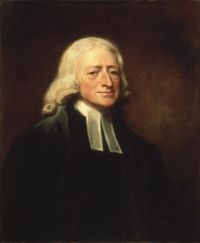
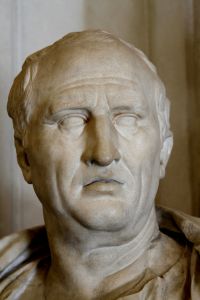
Righteousness, the quality of conforming to moral or ethical standards, has been examined by thinkers from various traditions. M. Valentine presents it as the basis of duty, while John Ruskin associates it with fairness in governance. Elizabeth Gaskell highlights personal belief, and Matthew Henry relates it to divine law.
Authors such as Laurence Sterne and John Wesley link it to rationality, moral excellence, and spiritual responsibility. The idea connects human behavior with ethical principles, illustrating both personal integrity and broader universal values. Its lasting significance stems from its function as a guide for virtuous living and social harmony.