Charcoal worker

Definition and stakes

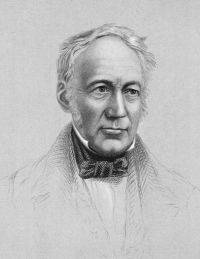
Arnold James Cooley,  Cooley's Cyclopædia of Practical Receipts and Collateral Information in the Arts…

“ Charcoal is extensively employed as a fuel; and in metallurgy for tempering metals, making steel, &c.; reduced to powder, it is used to surround vessels and bodies required to retain their heat for some time; a coating of charcoal, formed on piles and stakes of wood by charring them, promotes their preservation. Fresh burnt charcoal, in coarse powder, restores tainted meat and putrid water, discolours vegetable solutions, deodorises fetid substances, and withdraws lime from syrups filtered through it. ”
Source: Gutenberg

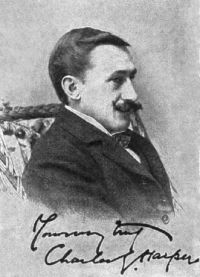
Portrait of Charles G. Harper Charles G. Harper,  Half-hours with the Highwaymen - Vol 2

“ On the next opportunity, pocketing a larger quantity of charcoal than usual, he filled the holes in it with gunpowder and then stopping them with black sealing-wax, sold the charcoal to the unsuspecting woman, who presently replenished her fire with it, with the natural result that her brazier was blown to pieces and herself almost frightened out of her wits. ”
Source: Gutenberg

la Verne W. Spring,  Non-technical chats on iron and steel and their application to modern industry (1917)

“ By both of these processes valuable constituents were burned or driven off by the heat and lost. These were mainly methyl alcohol, acetic acid, and wood tar.
Modern industry so emphatically disapproves of any waste of materials that apparatus has been devised to produce charcoal which allows of recovery of the by-products at the same time. In northern Michigan, which is practically the only district in the United States in which the charcoal industry as an industry still survives, long steel tubes or retorts are built with brick fire-boxes under each end, much as a stationary boiler is set.
”
Source: Gutenberg

Get perspective with Kwize: daily news enlightened by great literature