Charge (heraldry)

Definition and stakes

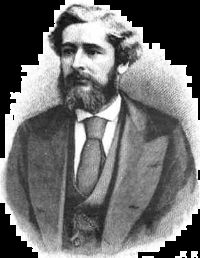
Portrait of Arthur Charles Fox-Davies Arthur Charles Fox-Davies,  A Complete Guide to Heraldry (1909)

“ THE HUMAN FIGURE IN HERALDRY
IF we include the many instances of the human head and the human figure which exist as crests, and also the human figure as a supporter, probably it or its parts will be nearly as frequently met with in armory as the lion; but if crests and supporters be disregarded, and the human figure be simply considered as a charge upon the shield, it is by no means often to be met with.
English (but not Scottish) official heraldry now and for a long time past has set its face against the representation of any specific saint or other person in armorial bearings.
”
Source: Wikisource

Portrait of Arthur Charles Fox-Davies Arthur Charles Fox-Davies,  A Complete Guide to Heraldry (1909)

“ To effect this purpose, the arms of the illegitimate son were made to carry some charge or alteration to show that there was some reason which debarred inheritance by their users, whilst there remained those entitled to bear the arms without the mark of distinction. But be it noted that this obligation existed equally on the legitimate cadets of a family, and in the earliest periods of heraldry there is little or no distinction either in the marks employed or in the character of the marks, which can be drawn between mere marks of cadency and marks of illegitimacy. ”
Source: Wikisource

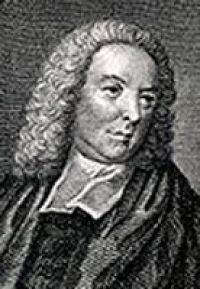
Portrait of Mark Antony Lower Mark Antony Lower,  The Curiosities of Heraldry

“ The general ignorance of Heraldry even among the well-educated may be illustrated by the fact that not many months since the Commissioners of Assessed Taxes decided that a person who sealed his letters with a Thistle surrounded by the words ‘Dinna Forget,’ was liable to the charge for armorial bearings, albeit the device contained neither shield, helmet, wreath, nor any other necessary element of heraldric insignia! ”
Source: Gutenberg

Get perspective with Kwize: daily news enlightened by great literature