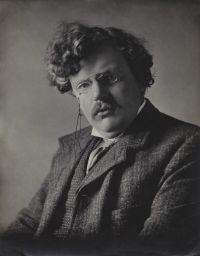
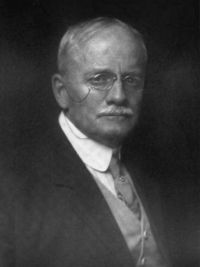
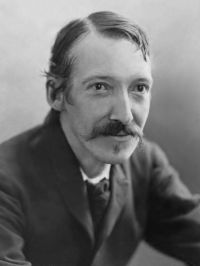
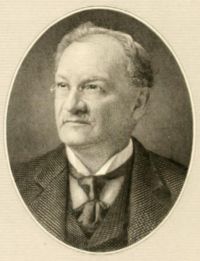
A city wall denotes a fortification structure, often an architectural heritage monument, historically serving as a defensive barrier around urban centers. Authors have long explored this theme through varied lenses: William Hepworth Dixon evokes its mythical grandeur, envisioning a "vast and shining city" guarded by immense walls, while G. K. Chesterton imagines a modern revival of walled boroughs, emphasizing symbolic sovereignty.
Henry James admires the "superbly solid" brickwork of Italian walls, blending utility with aesthetic dignity, and Herbert C. White contrasts the "majestic" imperial walls of Peking with the encroaching modernity that threatens their legacy. These perspectives underscore the duality of city walls as both historical anchors and contested symbols of tradition versus progress.
 William Hepworth Dixon,
Free Russia