Cocoa nut grove

Definition and stakes

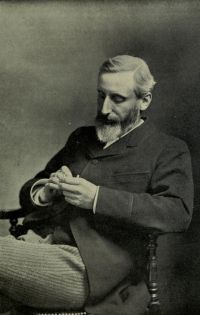
Sir Charles Wentworth Dilke,  Greater Britain: A Record of Travel in English-Speaking Countries During 1866-7

“ The terrible results of the plentiful possession of this tree are seen in Ceylon, at Panama, in the coastlands of Mexico, at Auckland in New Zealand. At Pitcairn‘s Island the plantain grove has beaten the missionary from the field; there is much lip-Christianity, but no practice to be got from a people who possess the fatal plant. The much-abused cocoa-nut cannot come near it as a devil‘s agent. The cocoa-palm is confined to a few islands and coast tracts—confined, too, to the tropics and sea-level ”
Source: Gutenberg

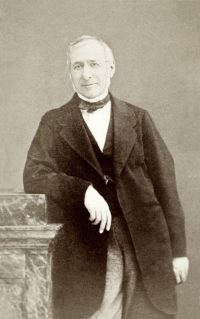
Lord Frederic Hamilton,  Here, There and Everywhere

“ Nature has given the cocoa-nut the power of preserving its vitality almost indefinitely. The fallen nuts float on the sea and drift hither and thither. Once washed up on a beach and dried by the sun, the nut thrusts out little green suckers from those "eyes" which every one must have noticed on cocoa-nuts, anchors itself firmly into the soil, and in seven years will be bearing fruit. The fallen fronds decay and make soil, and so another island becomes gradually clothed with vegetation. In Bermuda the cedar replaces the cocoa-nut palm. ”
Source: Gutenberg

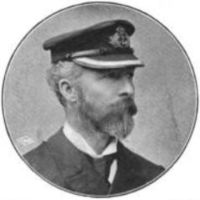
A. M. Brooks,  Petals Plucked from Sunny Climes

“ Here we find the sugar-apple, alligator-pear, sapodilla-guava, limes, lemons, tamarinds, bananas, and plantain—the cocoa-nut tree, with her tessellated leaves, fanned by the breath of eternal spring-time, and ripening its refreshing fruits to nourish the thirsty residents, who would languish were they not supplied with the juices from fruits. The cocoa sheds its fruit when ripe, endangering the heads of those passing. Parents having children who play under the trees are constantly uneasy, as a full-grown cocoa-nut, falling forty feet, would nearly annihilate a child. ”
Source: Gutenberg

Get perspective with Kwize: daily news enlightened by great literature