Comitia curiata

Definition and stakes

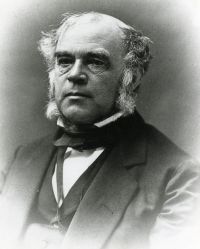
Portrait of George Willis Botsford George Willis Botsford,  The Roman assemblies from their origin to the end of the Republic (1909)

“ Thus the Romans created the comitia curiata. Not only the curiae, but also the later centuries, classes, and tribes, originally existed independently of the assembly for various administrative purposes and were brought into connection with that institution as convenient systems of organization. At first ceremonial, the comitia curiata came to be used for voting on resolutions. Gradually reducing this earliest organized gathering to a formality, the Romans successively introduced the centuriate and the tribal comitia. ”
Source: Gutenberg

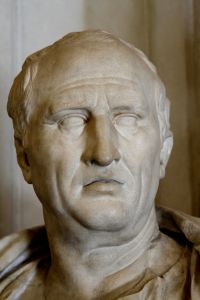
Portrait of Jean-Jacques Rousseau Jean-Jacques Rousseau,  The Social Contract (1762)

“ The comitia curiata were founded by Romulus; the centuriata by Servius; and the tributa by the tribunes of the people. No law received its sanction and no magistrate was elected, save in the comitia; and as every citizen was enrolled in a curia, a century, or a tribe, it follows that no citizen was excluded from the right of voting, and that the Roman people was truly sovereign both de jure and de facto. ”
Source: Wikisource

Portrait of William Smith William Smith,  A Smaller Dictionary of Greek and Roman Antiquities

“ Down to the time of Servius Tullius, the comitia curiata were the only popular assemblies of Rome, and remained of course in the undiminished possession of the rights above described; but the constitution of that king brought about a great change, by transferring the principal rights which had hitherto been enjoyed by the curiae to a new national assembly or the comitia centuriata. But while the patricians were obliged to share their rights with the plebeians, they reserved for themselves the very important right of sanctioning or rejecting any measure which had been passed by the centuries. ”
Source: Gutenberg

Get perspective with Kwize: daily news enlightened by great literature