A conscientious objector is an individual who declines to adhere to demands—often military service—due to deeply rooted convictions regarding freedom of thought, conscience, or faith. This idea has been examined by writers such as Alexander Sutherland Neill, who viewed conscientious objection as an ethical position requiring public acknowledgment, and Jonas Smucker Hartzler, who emphasized the social stigma experienced by objectors during conflicts. H. R.
Knickerbocker cast doubt on the genuine nature of objectors' beliefs, while A. J. Dawson juxtaposed their values with the courage of soldiers. These viewpoints highlight the conflict between personal morality and communal responsibility, illustrated by historical and legal attempts to harmonize individual conscience with state power, as reflected in UN declarations and national exemptions. The theme ultimately embodies an enduring discussion between personal integrity and societal norms.
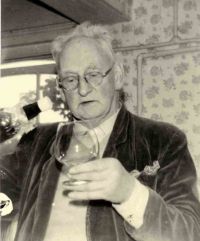 Alexander Sutherland Neill,
A Dominie Dismissed
Alexander Sutherland Neill,
A Dominie Dismissed