Conscientiousness

Definition and stakes

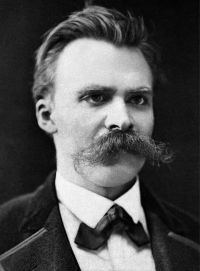
Portrait of Friedrich Nietzsche Friedrich Nietzsche,  Dawn of the Day — Book 4

“ The conscientious.—Have you observed what kind of people attach the greatest importance to scrupulous conscientiousness? Those who are conscious of many mean feelings; who are carefully thinking of and about themselves, and are afraid of others; who are intent upon concealing their innermost feelings to the best of their power ;—by this scrupulous conscientiousness and strict fulfilment of duty, by the severe and harsh impression which others, especially their inferiors, are bound to receive of them, they endeavour to impose upon themselves. ”

Source: Wikisource

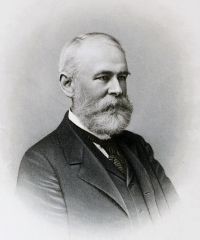
Portrait of William De Witt Hyde William De Witt Hyde,  Practical Ethics

“ The habit of seeking to realize the highest capacities and widest relationships of our nature in every act is conscientiousness. Conscience is our consciousness of the ideal in conduct and character. Conscience is the knowledge of our duty, coupled as that knowledge always is with the feeling that we ought to do it.—Knowledge of any kind calls up some feeling appropriate to the fact known. ”
Source: Gutenberg

William Fisher Markwick,  The True Citizen: How to Become One

“ Some one has well said: "We can train ourselves to be conscientious, to be responsive to conscience, to obey it; but conscience itself cannot be educated. It is like the sun. We may so arrange our house as to receive the largest amount of sunlight; but the sun itself cannot be changed either for our advantage or disadvantage. As a house with ample windows is illuminated within by the rays of the sun, so is a well-trained life filled with the light of conscience." We may therefore define conscientiousness as the inborn desire to do that which is right and just. ”
Source: Gutenberg

Get perspective with Kwize: daily news enlightened by great literature