Copy editor

Definition and stakes

Willard Grosvenor Bleyer,  Newspaper Writing and Editing

“ How the Copy-Reader Works. In all this work of the copy-reader the important element is speed. Every minute is valuable in the newspaper office, and only those who can work rapidly as well as accurately can expect to hold a position long. To rearrange, to reconstruct, to correct, rather than to rewrite, and to do this quickly and skillfully, is the real work of the copy-reader. To putter over details is an inexcusable fault. The combination of speed and accuracy in a copy-reader is the ideal of the editor. ”
Source: Gutenberg

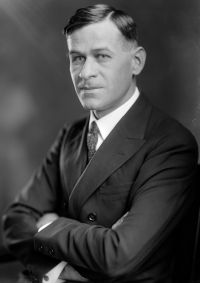
Portrait of Charles G. Ross Charles G. Ross,  The Writing of News

“ Tradition has equipped the editor with a blue pencil and has made it a symbol of editorial callousness. In reality, the copy reader is much more likely to use a soft black pencil with which a word may be cut out at a single stroke or an illuminating word inserted in broad, unmistakable characters. The copy reader takes the story as it comes from the reporter and puts it through a refining process. His work is critical rather than creative. It is destructive so far as errors of grammar, violations172 of news style and libel are concerned. ”
Source: Gutenberg

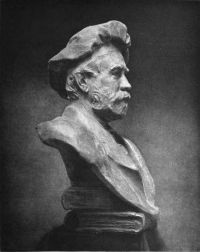
Portrait of Jesse Lynch Williams Jesse Lynch Williams,  The Stolen Story and Other Newspaper Stories (1899)

“ And he wanted to explain that any how he had already had a chance to be a copy-editor, and that he had refused because he could not sit still at a desk for hours and read and tinker with other men's stuff and get impatient and nervous. Perhaps it was because he was an artist and must create "stuff" of his own, and would have done so even if he had kept out of newspaper work—a different sort of stuff, Southern verse, possibly, and then he would have won a different sort of fame. ”
Source: Wikisource

Get perspective with Kwize: daily news enlightened by great literature