Cow dung

Definition and stakes

From the Cape to Cairo: The First Traverse of Africa from South to North

“ The natives of the country obviate the nuisance by lining their huts with a deep layer of burnt cow-dung, in which they lie. They also smear a paste made of this ash and cow's urine all over their bodies. The women carefully collect all the dung and spread it out to dry. In the evening, when the cattle are brought in to be milked, they burn it. The smoke serves to keep the flies from the beasts during the milking. ”
Source: Gutenberg

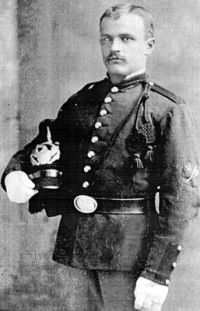
Portrait of John Gregory Bourke John Gregory Bourke,  Scatalogic Rites of All Nations

“ The dung of a black cow entered into the composition of the celebrated “Eau de Mille Fleurs.” The ordure of small lizards was also used to smooth out the wrinkles from the faces of old women.
Fox-dung and the dung of sparrows and starlings were in use for softening the hands. Arabian women use as a cosmetic a mixture of saffron and chicken-dung. Cow-dung is sometimes as aromatic as musk. It used to be employed to restore the odor to old and faded musk, or to hang the latter in a privy, where it would re-acquire its former strength; but would not retain it long (see under “Latrines”) .
”
Source: Gutenberg

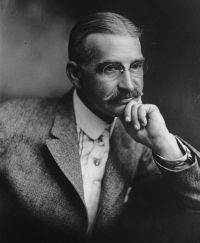
Portrait of John Gregory Bourke John Gregory Bourke,  Scatalogic Rites of All Nations

“ Among the Banians of India, proselytes are obliged by the Brahmans to eat cow-dung for six months. They begin with one pound daily, and diminish from day to day. A subtle commentator, says Picart, might institute a comparison between the nourishment of these fanatics and the dung of cows which the Lord ordered the prophet Ezekiel to mingle with his food. ”
Source: Gutenberg

Get perspective with Kwize: daily news enlightened by great literature