Criminal conviction

Definition and stakes

Portrait of Walter M. Chandler Walter M. Chandler,  The Trial of Jesus from a Lawyer's Standpoint…

“ The principle of law which rejects a bare confession of guilt as a basis of criminal conviction is one of the most merciful and benign known to jurisprudence. It is intended to protect the commonwealth against perjury and deception on the part of the accused. It is also intended to protect the prisoner against ignorance and rashness. It is a well-known fact that the masses of mankind are ignorant of law, both civil and criminal. Not one in a thousand in the most enlightened commonwealths can define successfully the elements of the crimes of the state of which he is a citizen. ”

Source: Gutenberg

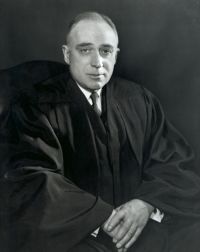
Portrait of Stanley Forman Reed Stanley Forman Reed,  Wade v. Mayo — Dissent

“ After a person, protected by the presumption of innocence, has been convicted by a state trial court and his conviction has been subjected either to direct or collateral attacks in the state courts, [5] wise administration commands that this Court be asked, by appeal or certiorari, to pass upon the federal constitutional questions presented. [6] It is only by such a procedure that the validity of state criminal conviction can be expeditiously and finally adjudicated. ”
Source: Wikisource

Anonymous,  West Port Murders (1829)

“ It is quite clear in law, that even a conviction, upon a capital charge, does not and cannot destroy the status of the prisoner; and for this reason, that the verdict may be special, or inapplicable, or it may find something different from the facts charged, or it may involve a conclusion which is inept in law, so that, upon a motion in arrest of judgment, no sentence can pass upon it. Instances of this kind constantly occur; and every one who is acquainted with the books of criminal law, must be familiar with many of them. ”
Source: Gutenberg

Get perspective with Kwize: daily news enlightened by great literature