Daydreaming

Definition and stakes

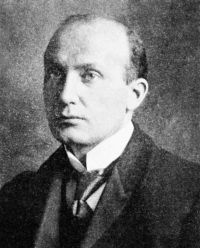
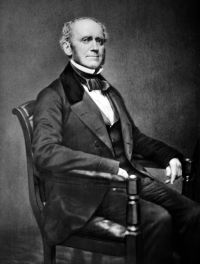
Portrait of Robert Sessions Woodworth Robert Sessions Woodworth,  Psychology

“ A daydream typically looks toward the future, as a plan for possible doing; only, it is not a serious plan for the future--which would be controlled imagination--nor necessarily a plan which could work in real life, but merely play of imagination. If we ask the same questions here as we did regarding child's play, we find again that it is easier to define the end-result and the source of satisfaction in daydreaming than it is to define the stimulus or the exact nature of the imaginative process. ”
Source: Gutenberg

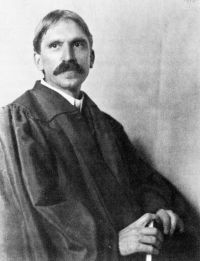
Portrait of John Dewey John Dewey,  How We Think

“ In calling the objects of his demand thoughts, he does not intend to ascribe to them dignity, consecutiveness, or truth. Any idle fancy, trivial recollection, or flitting impression will satisfy his demand. Daydreaming, building of castles in the air, that loose flux of casual and disconnected material that floats through our minds in relaxed moments are, in this random sense, thinking. More of our waking life than we should care to admit, even to ourselves, is likely to be whiled away in this inconsequential trifling with idle fancy and unsubstantial hope. ”
Source: Gutenberg

Get perspective with Kwize: daily news enlightened by great literature