Death pollution

Definition and stakes

Hugo Erichsen,  The cremation of the dead

“ Does it agree with our ideas of right and wrong to endanger the lives of our great-grandchildren or their offspring by our methods of disposing of the dead? For, by the time they appear on the stage of this world, the burial-ground now sanitary will have become a breeding-place of disease from overuse.
When we remove burial-grounds to a distance, we only postpone the evil. We insure our own safety, it is true, by so doing; but we encumber the ground with most virulent seeds, and leave to future generations—to those who come after us—a terrible crop of pollution, disease germs, and death.
”
Source: Gutenberg

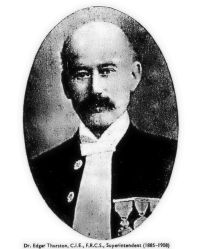
Portrait of Edgar Thurston Edgar Thurston,  Castes and Tribes of Southern India (1909)

“ I n the case of the death of a male, his niece watches the lamp, and in that of a female her daughter, lying near it on a grass mat. The sanchayanam is the first stage in the removal of death pollution, and, until it is over, all who come to the house suffer from pollution, and cannot enter their own house or partake of any food without bathing previously. When the body has been cremated, the fragments of calcined bones are collected from the ashes, and carried in procession to the sea, or, if this is far away, into a river. ”
Source: Wikisource

Get perspective with Kwize: daily news enlightened by great literature