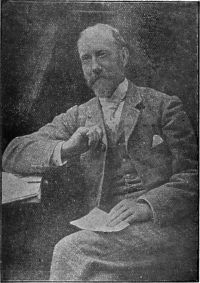
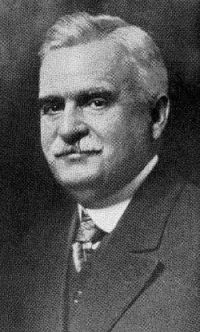
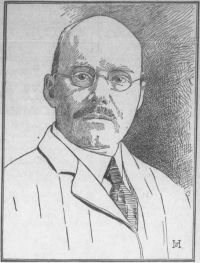
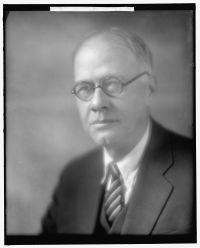
Decentralization refers to the redistribution of power, responsibilities, or decision-making from a central authority to smaller, localized units. This idea, examined by thinkers such as Frédéric Bastiat, who viewed it as an organic reaction to industrial centralization, or Alexander Berkman, who associated it with social liberty and community autonomy, illustrates varied perspectives across politics, economics, and governance.
From Roosevelt’s measured nationalism to Greece’s legal structures supporting local self-governance, decentralization appears as a flexible principle designed to boost civic involvement, operational effectiveness, and democratic oversight, influenced by historical, cultural, and institutional factors.
 Theodore Roosevelt,
American problems
Theodore Roosevelt,
American problems