Diplomatic service

Definition and stakes

David Playfair Heatley,  Diplomacy and the Study of International Relations (1919)

“ A Foreign Office and a Diplomatic Service are great instruments for preventing, as far as can be prevented, and diminishing, even when you cannot prevent, friction between States which are, or which ought to be, friendly: How is the task of peace-maker—because that is largely the task which falls to diplomatists and to the Foreign Office, which controls diplomatists—to be pursued if you are to shout your grievances from the housetop whenever they occur? ”
Source: Wikisource

Walter Alison Phillips,  1911 Encyclopædia Britannica, Volume 8… (1911)

“ They were professional in the sense that, for the most part, diplomacy was the main occupation of their lives; there was, however, no graded diplomatic service in which, as at present, it was possible to rise on a fixed system from the position of simple attaché to that of minister and ambassador. The “attaché to the embassy” existed [23] ; but he was not, as is now the case, a young diplomat learning his profession, but an experienced man of affairs, often a foreigner employed by the ambassador as adviser, secret service agent and general go-between, and he was without diplomatic status. ”
Source: Wikisource

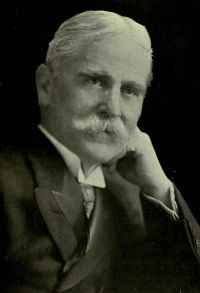
Portrait of Henry Van Dyke Henry Van Dyke,  Fighting for peace

“ That is the rule for the diplomatic service of the United States.
Its chief and constant aims are known to all men. First, to maintain American principles and interests, and to get a fair showing for them in the world. Second, to preserve and advance friendly relations and intercourse with the particular nation to which the diplomat is sent. Third, to promote a just and firm and free peace throughout the world, so that democracy everywhere may live without fear.
”
Source: Gutenberg

Get perspective with Kwize: daily news enlightened by great literature