Distributive justice

Definition and stakes

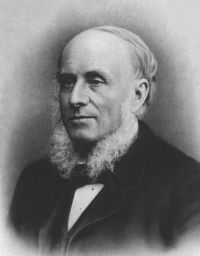
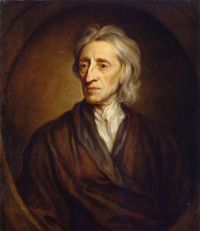
Portrait of John Stuart Mill John Stuart Mill,  Principles of Political Economy (1871)

“ If there were any justice, therefore, in the theory of justice now under consideration, those who are least capable of helping or defending themselves, being those to whom the protection of government is the most indispensable, ought to pay the greatest share of its price: the reverse of the true idea of distributive justice, which consists not in imitating but in redressing the inequalities and wrongs of nature. ”
Source: Wikisource

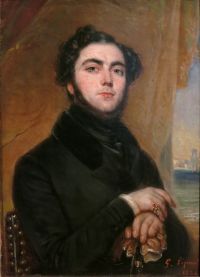
Portrait of Jean-Jacques Rousseau Jean-Jacques Rousseau,  The Social Contract (1913)

“ Distributive justice would oppose this rigorous equality of the state of nature, even were it practicable in civil society; as all the members of the State owe it their services in proportion to their talents and abilities, they ought, on their side, to be distinguished and favoured in proportion to the services they have actually rendered. ”
Source: Wikisource

Charles J. Callan,  Moral Theology

“ Distributive justice regulates the whole in reference to the parts, and it is exercised by all those who seek for such a distribution of the common things of a society as accords with the inequalities of merit and ability of the members. Hence, distributive justice is found not only in the heads of a state, or family, or other body, but also in the subordinates who are content with the fair distributions made by the heads. ”
Source: Gutenberg

Get perspective with Kwize: daily news enlightened by great literature