Domestic slavery

Definition and stakes

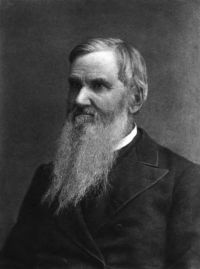
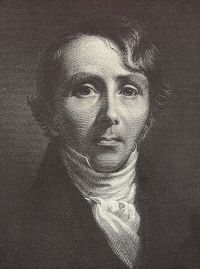
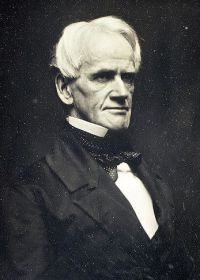
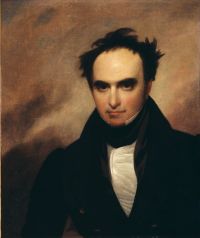
Portrait of Daniel Webster Daniel Webster,  The Great Speeches and Orations of Daniel Webster (1879)

“ Such interference has never been supposed to be within the power of government; nor has it been in any way attempted. The slavery of the South has always been regarded as a matter of domestic policy, left with the States themselves, and with which the Federal government had nothing to do. Certainly, Sir, I am, and ever have been, of that opinion. The gentleman, indeed, argues that slavery, in the abstract, is no evil. Most assuredly I need not say I differ with him, altogether and most widely, on that point. I regard domestic slavery as one of the greatest evils, both moral and political. ”
Source: Wikisource

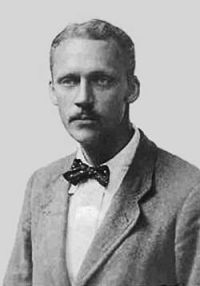
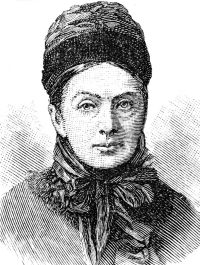
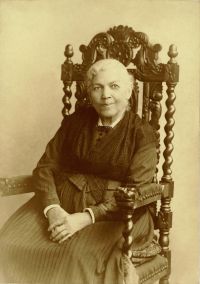
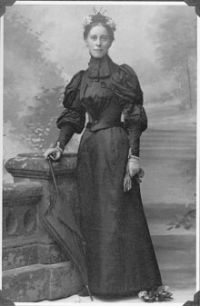
Portrait of Mary Henrietta Kingsley Mary Henrietta Kingsley,  West African studies

“ Further, domestic slavery gives a chief power of life and death over his slave; and how often have I known cases where promising young slaves have done something to vex their chief their heads have paid the penalty, though these young men had already amassed some wealth, having also several wives and children.
People who condone domestic slavery, and I have heard many kindly-hearted people do so, forget that however mild the slavery of the domestic slave is on the coast, even under the mildest native it is still slavery
”
Source: Gutenberg

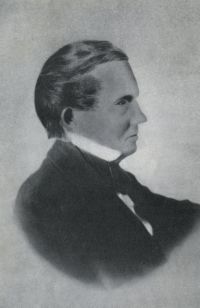
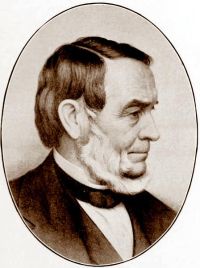
William O. Blake,  The History of Slavery and the Slave Trade (1861)

“ A large part of the people of this country look on domestic slavery as "only evil, and that continually," alike to master and to slave, and to the community; to be left alone to the management or enjoyment of the people of the states where it exists, but not to be extended, more especially as it gives, or may give, political supremacy to a minority of the people of this country in the United States government. ”
Source: Wikisource

Get perspective with Kwize: daily news enlightened by great literature