Duckweed

Definition and stakes

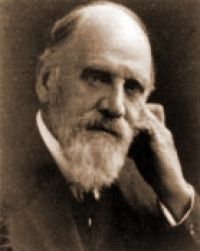
Portrait of Arthur Ransome Arthur Ransome,  Pond and Stream

“ The pond is full of floating weed, the tiny round-leaved duckweed, floating in green patches even in the middle of the pond, and the dainty white crowfoot, near the banks. There is more duckweed than anything else, and sometimes it is like a green carpet floating on the water. As we lie on the bank, we see a sudden movement in the duckweed, and something pushes its way up through the weed, like a stick that has been held down at the bottom, and then loosed of a sudden, so that it leaps up to the surface of the water. The whole length of the Imp wriggles with excitement. ”

Source: Gutenberg

Portrait of Frances Theodora Parsons Frances Theodora Parsons,  Plants and their children (1896)

“ But the duckweed is truly a plant. It has both flower and fruit, although without a distinct stem and leaves; and it sends down into the water its long, hanging roots, which yet do not reach the ground.
There are other plants which have at the same time underground roots and water roots.
Rooted in the earth on the borders of a stream sometimes you see a willow tree which has put out above-ground roots. These hang over the bank and float in [Pg 112] the water, apparently with great enjoyment; for roots not only seem to seek the water, but to like it, and to flourish in it.
”
Source: Gutenberg

Marie Carmichael Stopes,  The Study of Plant Life

“ Floating with the duckweed are frequently many fine, thread-like algæ, sometimes quite free, and sometimes attached to stems or rocks. They are very delicate, unprotected plants, their whole body consisting of simple rows of cells. Notice how their feathery tufts cling together in a close mass when they are taken out of the water; [162] they require its support and protection to enable them to live. ”
Source: Gutenberg

Get perspective with Kwize: daily news enlightened by great literature