Earthenware, a nonvitrified pottery fired at temperatures below 1,200 °C, includes both functional and ornamental items, ranging from terracotta containers to glazed dinnerware. Of historical significance, it appears in archaeological findings dating back to 29,000 BCE and continues to play a key role in artistic and industrial applications.
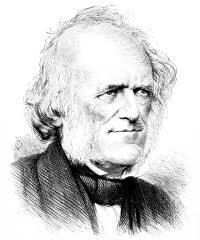
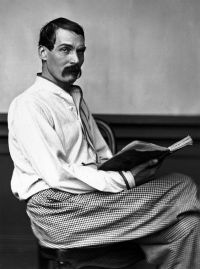
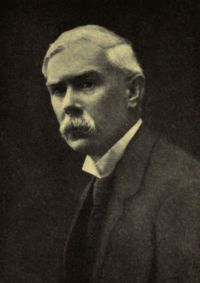
Scholars such as Arthur Hayden describe its construction techniques, while Charles Darwin observed its occurrence in geological layers, and John L. Cotter emphasized its importance in historical relics. Contemporary studies, as presented by Lyell and Marsh, connect its physical characteristics to wider geological and environmental frameworks, highlighting its lasting importance across various fields.