Ecclesiastical power

Definition and stakes

Johann Joseph Ignaz von Döllinger,  Letters From Rome on the Council

“ But we, and almost all Bishops of the Catholic world, teach another doctrine. We teach that the ecclesiastical power is indeed higher than the civil, but that each is independent of the other, and that while sovereigns are subject to the spiritual penalties of the Church, she has no power to depose them or absolve their subjects from their oaths of allegiance. And this is the ancient doctrine, taught by all the Fathers and by the Popes before Gregory vii. ”
Source: Gutenberg

George Gillespie,  The Works of Mr. George Gillespie…

“ God hath commanded, that unto the civil power every soul, or all members of the commonwealth, of what condition and estate soever, be subject; for what have we to do with the Papists, who will have them whom they call the clergy or ecclesiastical persons, to be free from the yoke of the civil magistrate? The ecclesiastical power extends itself to none other subjects than unto those which are called brethren, or members of the church. ”
Source: Gutenberg

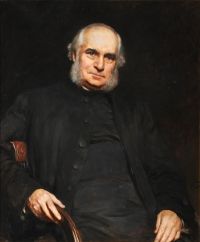
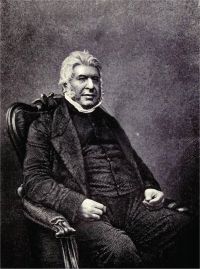
Portrait of Walter Farquhar Hook Walter Farquhar Hook,  A church dictionary

“ That “ecclesiastical power, or the power of the keys, which Jesus Christ gave to his Church, consisted only of the power of preaching the gospel, of administering the sacraments, the forgiveness of sins, and refusing absolution to a false penitent: therefore,” say they, “neither popes nor bishops have any power to dispose of kingdoms, to abrogate the laws of magistrates, or to prescribe to them rules for their government;” ”
Source: Gutenberg

Get perspective with Kwize: daily news enlightened by great literature