“ No anthropologist, I hope, is denying that Nature-myths and Nature-gods exist. We are only fighting against the philological effort to get at the elemental phenomena which may be behind Hera, Artemis, Athene, Apollo, by means of contending etymological conjectures. We only oppose the philological attempt to account for all the features in a god’s myth as manifestations of the elemental qualities denoted by a name which may mean at pleasure dawn, storm, clear air, thunder, wind, twilight, water, or what you will. ”
Elemental (mythology)
Definition and stakes
The theme of “elemental (mythology)” has been addressed by authors such as Charles Webster Leadbeater, C. W. Leadbeater, Andrew Lang, John Netten Radcliffe and Violet Tweedale. It is often associated with terms like occultism, nature, spirit, evolution and element.
Quotes about “elemental (mythology)”
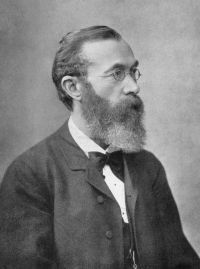 Wilhelm Max Wundt,
Elements of Folk Psychology
“ On the contrary, these celestial phenomena were all only attributes of deities. The god stands in the background, and, in the idea which man forms of him, the image of human heroes plays no less a part than do the impressions made by the shining heavenly bodies. These various interpretations of nature mythology, therefore, overlook an important psychological factor which is operative even in elemental experiences, but which attains increasing significance in proportion as the psychical processes become more complicated, and especially, therefore, in the formation of mythological conceptions. ”
“ It is a popular delusion that the anthropological mythologists deny the existence of solar myths, or of nature-myths in general. These are extremely common. What we demur to is the explanation of divine and heroic myths at large as solar or elemental, when the original sense has been lost by the ancient narrators, and when the elemental explanation rests on conjectural and conflicting etymologies and interpretations of old proper names—Athene, Hera, Artemis, and the rest. ”
Related terms
Authors who wrote about “elemental (mythology)”
 Charles Webster Leadbeater
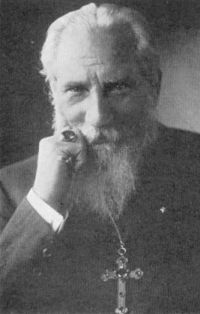 C. W. Leadbeater
 Andrew Lang
 John Netten RadcliffeViolet TweedaleJohn Edward Mercer
 Three InitiatesWilhelm Max WundtJames Wood
 Hugh Miller
 Percival Lowell
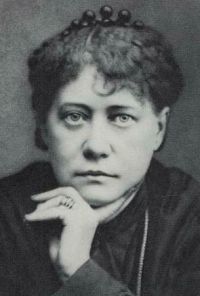 H. P. Blavatsky
 PlotinusSaint Aquinas Thomas
 Amos Bronson AlcottElliott O'Donnell
 Max Heindel
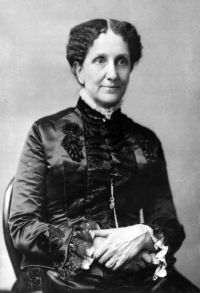 Mary Baker G. Eddy
 Ralph Waldo Emerson
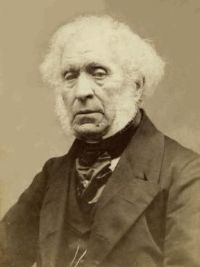 David Brewster
