End (philosophy)

Definition and stakes

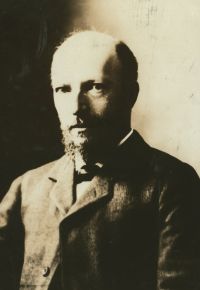
Portrait of Friedrich von Schlegel Friedrich von Schlegel,  The philosophy of life, and philosophy of language…

“ It shows us that, however various may be the paths, the end of knowledge—the eagerly-sought jewel of truth itself—is by no means always and in all cases tied to any immutable and exclusive rule of one fixed form and solely felicitous method of thought, as to a magic charm on which all depends, and from which all success must flow. ”
Source: Gutenberg

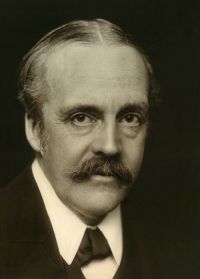
Portrait of Josiah Royce Josiah Royce,  The Religious Aspect of Philosophy (1885)

“ Whoso realizes an end, his, for the time being, is that end. And since it is his end, he mentally wills to realize it in ideal perfection. But whoso realizes the various conflicting aims in the world, his are all these aims at the moment of insight, when, so far as in him lies, he realizes them, and mentally desires their success. In proportion as his realization is or can be catholic and genuine, his will becomes, for the time, these conflicting wills. In him is now the warfare. He feels in his own person the bitterness of the universal strife. ”
Source: Wikisource

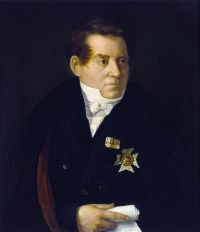
Portrait of F. H. Bradley F. H. Bradley,  Ethical Studies — Essay VII. (1876)

“ And Emotions, p. 266, ‘The intellect can determine the fitness of means to secure an end; but the end itself must, in the last resort, be some feeling, something desirable or undesirable, some pleasure to be sought, some pain to be avoided, some impulse to be followed out.’ To carry confusion further than this, would not be easy. The identification of the final with the efficient cause is an object which more than one philosophy has striven to attain. ”
Source: Wikisource

Get perspective with Kwize: daily news enlightened by great literature