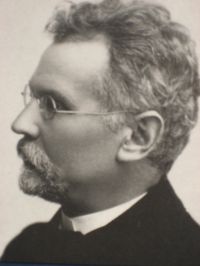
The eyeglass, a device intended to improve or correct vision, has long functioned as both a practical instrument and a symbolic element in literature. From Florence Warden’s portrayal of its discreet utility to Marianne Ostier’s focus on its practical purpose rather than decoration, writers have examined its dual character.
William Horatio Bates underscored its vulnerability in active lifestyles, while Bolesław Prus linked its creation to optical science. Virginia Woolf, on the other hand, employed reflective surfaces to delve into themes of identity and perception. These diverse viewpoints demonstrate how spectacles connect the physical and the symbolic, influencing how characters perceive the world and how readers understand their stories.