Fairground

Definition and stakes

P. H. Ditchfield,  Old English Sports, Pastimes and Customs

“ But these primitive feasts were the origin of most of our fairs, which are generally held on the dedication festival of the parish church. [13] The neighbours from the adjoining villages used to attend the wakes, so the peddlers and hawkers came to find a market for their wares. Their stalls began to multiply, until at last an immense fair sprang into existence, which owed its origin entirely to the religious festival of "the wakes." Fairs have degenerated like many other good things, and we can hardly realize their vastness in the middle ages. ”
Source: Gutenberg

Eleanor C. Price,  John's Lily (1892)

“ The wide space in front of the old market-place was filled up with swinging boats and merry-go-rounds, and rows of booths ran down each side of the wide street next the pavement. A field between the street and the river was occupied by shows—a wild-beast show, a theatre, a shooting-gallery, and all the various amusements that attracted the country people who stood staring in groups, or wandered slowly in and out of one tent or another. Every hour the crowd went on slowly increasing, the noise and life of the fair strengthening. ”
Source: Gutenberg

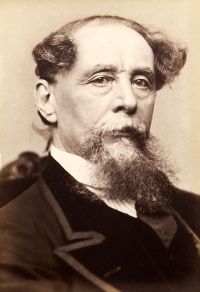
Portrait of Charles Dickens Charles Dickens,  Sketches by Boz — Greenwich fair (1836)

“ Everybody is anxious to get on, and actuated by the common wish to be at the fair, or in the park, as soon as possible.
Pedestrians linger in groups at the roadside, unable to resist the allurements of the stout proprietress of the ‘Jack-in-the-box, three shies a penny,’ or the more splendid offers of the man with three thimbles and a pea on a little round board, who astonishes the bewildered crowd with some such address as, ‘Here’s the sort o’ game to make you laugh seven years arter you’re dead, and turn ev’ry air on your ed gray vith delight!
”
Source: Wikisource

Get perspective with Kwize: daily news enlightened by great literature