Foil (fencing)

Definition and stakes

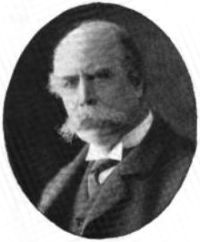
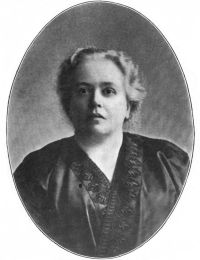
Portrait of Egerton Castle Egerton Castle,  1911 Encyclopædia Britannica, Volume 10… (1911)

“ Nothing can be further from the truth: were it but on the ground that the greater includes the less; that the foil-fencer of standing who can perform with ease and accuracy all the intricate movements of the assault, who has trained his hand and eye to the lightning speed of the well-handled foil, must logically prove more than a match for the more purely practical but less trained devotees of the épée de combat. ”
Source: Wikisource

Edward Breck,  1911 Encyclopædia Britannica, Volume 10… (1911)

“ The theory of parrying is to turn aside the opponent’s foil with the least possible expenditure of time and exertion, using the arm as little as possible while letting the hand and wrist do the work, and opposing the “forte” of the foil to the “foible” of the adversary’s. The foil is kept pointed as directly as possible towards the adversary, and the parries are made rather with the corners than the sides of the blade. The slightest movement that will turn aside the opponent’s blade is the most perfect parry. ”
Source: Wikisource

Edward Breck,  1911 Encyclopædia Britannica, Volume 10… (1911)

“ The Parries.—The tendency of the French school has always been towards simplicity, especially of defence, and at the present day the parries made with the knuckles up (pronation) , although recognized and taught, are seldom if ever used against a strong adversary in foil-fencing, owing principally to the time lost in turning the hand. ”
Source: Wikisource

Get perspective with Kwize: daily news enlightened by great literature