Feint

Definition and stakes

Astounding Stories of Super-Science January 1930

“ The chief of staff had his eyes glued to the board.
"That is a feint, sir. A strong feint, yes, but he has his force concentrated in the dead area."
"You are not listening, sir," said the general, reprovingly. "I am saying that my opponent is an artist, an amateur, the sort of person who delights in the delicate work of fencing. I, sir, would thank God for the chance to defeat my enemy. He has twice my force, but he will not be content merely to defeat me. He will want to defeat me by a plan of consummate artistry, which will arouse admiration among soldiers for years to come."
”
Source: Gutenberg

Baron Rowland George Allanson-Winn Headley,  Broad-Sword and Single-Stick

“ The first ruse to adopt, of course, is the feint—a feint being a false attack, or rather a move as if to attack in a line which you threaten, but in which you do not intend to attack. All feints should be strongly pronounced or clearly shown. A half-hearted feint is worse than useless; it is dangerous. If you have a foeman worthy of your steel facing you, he will detect the fraud at once, and use the time wasted by you over a feeble feint to put in a time thrust. ”
Source: Gutenberg

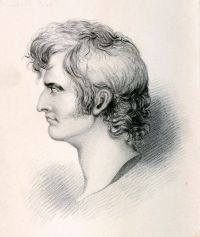
Portrait of Richard Francis Burton Richard Francis Burton,  The Sentiment of the Sword

“ To outwit your enemy, to attack him when it suits your convenience, and not his interests, such is the secret of success in the fencing room, as in the field.
To suspect the ambuscade which he prepares for you; to unite the prudence which trips up his fraud with the energy and audacity which drives in his force; to inspire him with a rash self confidence that makes him sure of success; to turn the obstacles which if attacked would render victory almost as fatal as defeat; to feint and manoeuvre upon the centre when you would mass all your strength to assault the flank
”
Source: Wikisource

Get perspective with Kwize: daily news enlightened by great literature