Riposte

Definition and stakes

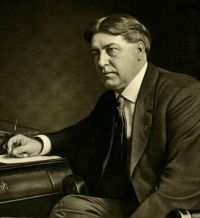
Portrait of G. K. Chesterton G. K. Chesterton,  The Ball and the Cross

“ And this was seen suddenly; for the instant Evan engaged he disengaged and lunged with an infernal violence. His opponent with a desperate promptitude parried and riposted; the parry only just succeeded, the riposte failed. Something big and unbearable seemed to have broken finally out of Evan in that first murderous lunge, leaving him lighter and cooler and quicker upon his feet. ”
Source: Gutenberg

Edward Breck,  1911 Encyclopædia Britannica, Volume 10… (1911)

“ The “counter-riposte” is a riposte made after parrying the adversary’s riposte, and generally from the position of the lunge, or while recovering from it, since one must have attacked with a full lunge if the adversary has had an opportunity to deliver a riposte. There are three kinds of ripostes: direct, with feints and after a pause.
The “direct riposte” may be made instantly after parrying the adversary’s thrust by quitting his blade and straightening the arm, so that the point will touch his body on the nearest and most exposed part
”
Source: Wikisource

Various,  Bentley's Miscellany, Volume I

“ Is the soldier melancholy in the storm and whirlwind of war? Is the gallant confronting of the cannon a matter to be complained of? The dolorous flight, the trampled battalion, the broken squadron, the lost battle, the lingering wound, the ill-furnished hospital, the unfed blockade, hunger and thirst, and pain, and fatigue, and mutilation, and cold, and rout, and scorn, and slight,—services neglected, unworthy claims preferred, life wasted, or honour tarnished,—are all passed by! ”
Source: Gutenberg

Get perspective with Kwize: daily news enlightened by great literature