Orderly, as a principle of structure and control, underpins both personal discipline and societal harmony. Henri Frédéric Amiel frames it as the embodiment of self-mastery, emphasizing systematic arrangement and the fulfillment of responsibilities. Laurence Sterne, by contrast, critiques strict adherence to rules, promoting adaptability in personal expression. William James highlights the human tendency to bring order to chaos, while F.
H. Bradley connects it to moral duty and the restraint of desires. From Southey’s assertion that order is the "sanity of the mind" to Montaigne’s reflections on structured conversation, the theme reveals a tension between form and flexibility. Ultimately, "orderly" emerges as both a personal virtue and a societal need, balancing control with the fluidity of human experience.
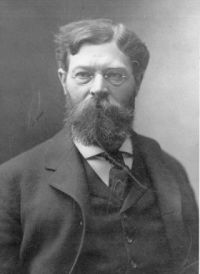 William De Witt Hyde,
Practical Ethics
William De Witt Hyde,
Practical Ethics