Freight car

Definition and stakes

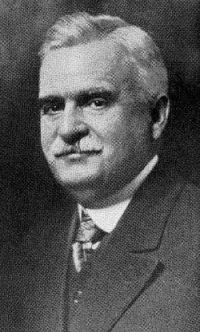
Portrait of Burton Egbert Stevenson Burton Egbert Stevenson,  The Young Section-Hand

“ For every hour of the day there swept over it, pounding at it, the monstrous freight locomotives, weighing a hundred tons, marvels of strength and power, pulling long lines of heavy cars, laden with coal and iron and grain, hurrying to give the Old World of the abundance of the New. And every hour, too, there flashed over it, at a speed almost lightning-like, the through passenger trains—the engines slim, supple, panting, thoroughbred; the lumbering mail-cars and day coaches; the luxurious Pullmans far heavier than any freight-car. ”
Source: Gutenberg

Charles Shattuck Hill,  The New International Encyclopædia (1905)

“ With the increase of freight traffic the custom has grown to allow freight cars to run from the point of shipment over any number of railways to their destination without transfer, and the greater part of the freight business in the United States is now done in this way. The cars of each company become considerably scattered over the lines of other companies, and every road does more or less business with other companies' cars, for which a mileage is paid to the owners of the cars. ”
Source: Wikisource

Howard Elliott,  The Truth About The Railroads (1913)

“ When a freight-car is waiting to be loaded by a shipper, or when it is waiting to be unloaded by a consignee, that car is not in the service of the people, whose demand for transportation is now in excess of the capacity of the railways to supply.
It would be a very happy condition if the railways always had enough cars, so that they could supply every shipper with an empty car whenever he wanted it and just as soon as he wanted it. They have not enough cars to meet this requirement at times of the heaviest business in the country, and it is not their fault that they have not.
”
Source: Wikisource

Get perspective with Kwize: daily news enlightened by great literature