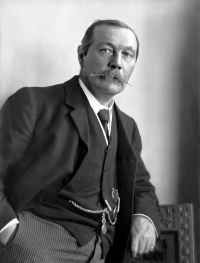
Frontage, often evoking the rugged frontier, symbolizes the boundary between civilization and untamed wilderness. Authors like Arthur Conan Doyle and Emma Dorothy Eliza Nevitte Southworth portrayed it as a domain of sacrifice and ambition, where settlers braved danger to expand empires.
Woodrow Wilson contrasted its historical expanse with modern fragmentation, while Emerson Hough depicted it as a crucible for self-reliant individuals. Agnes C. Laut imagined it as a land brimming with potential, waiting for pioneers. These diverse viewpoints collectively highlight frontage as a dynamic threshold, shaping both physical landscapes and cultural identities through human resilience and aspiration.
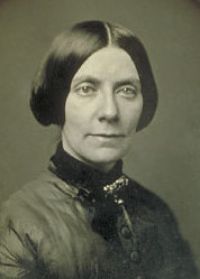 Emma Dorothy Eliza Nevitte Southworth,
For whose sake?
(1884)
Emma Dorothy Eliza Nevitte Southworth,
For whose sake?
(1884)