Grammatical gender

Definition and stakes

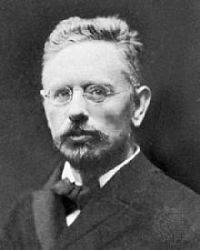
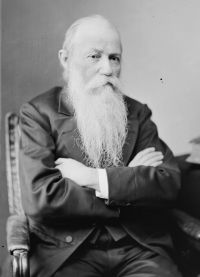
Chautauqua Institution,  The Chautauquan, Vol. 05, February 1885

“ All other languages are infested with gender; in English there is no such distinction in words as that of gender. English, it should be needless to say, has words to express difference of sex; that no language can fail to do, for failing in that, it would not communicate the facts and thoughts of every-day life. But grammatical gender has no relation to sex, no relation to the essential characteristics of things. Gender, grammatical gender, is an attribute of words. ”
Source: Gutenberg

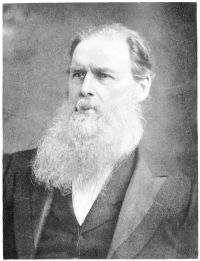
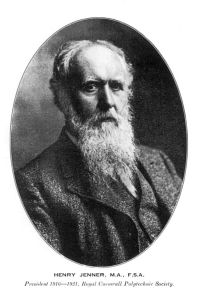
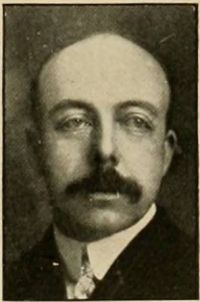
Portrait of Richard Chenevix Trench Richard Chenevix Trench,  English Past and Present

“ I refer to the renouncing of the distribution of its nouns into masculine, feminine, and neuter, as in German, or even into masculine and feminine, as in French; and with this, and as a necessary consequence of this, the dropping of any flexional modification in the adjectives connected with them. Natural sex of course remains, being inherent in all language; but grammatical gender, with the exception of ‘he’, ‘she’, and ‘it’, and perhaps one or two other fragmentary instances, the language has altogether forgone. ”
Source: Gutenberg

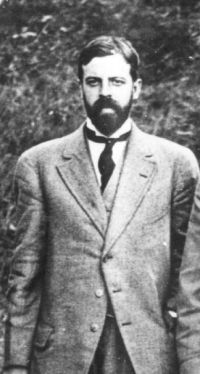
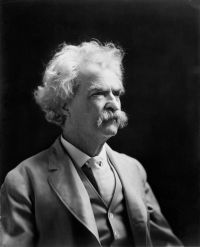
Portrait of Henry Sweet Henry Sweet,  Anglo-Saxon Primer, With Grammar…

“ The gender is partly natural, partly {8}grammatical. By the natural gender names of male beings, such as se mann (the man) , are masculine; of female beings, such as sēo dohtor (the daughter) , are feminine; and of young creatures, such as þæt ċild (the child) , neuter. Note, however, that þæt wīf (woman) is neuter.
Grammatical gender is known only by the gender of the article and other words connected with the noun, and, to some extent, by its form. Thus all nouns ending in -a, such as se mōna (moon) , are masculine, sēo sunne (sun) being feminine.
”
Source: Gutenberg

Get perspective with Kwize: daily news enlightened by great literature