Harmless error

Definition and stakes

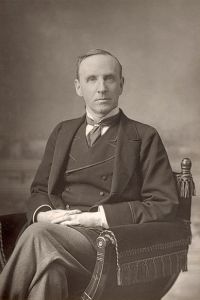
Portrait of Robert Southey Robert Southey,  The doctor, &c., vol. 7 (of 7) (1834)

“ But when he called to mind the frightful consequences to which the belief of this opinion has led, the cruelties which have been exercised, the crimes which have been perpetrated, the miseries which have been inflicted and endured, it made him shudder at perceiving that the most absurd error may produce the greatest mischief to society, if it be accompanied with presumption, and if any real or imaginary interest be connected with maintaining it. ”
Source: Gutenberg

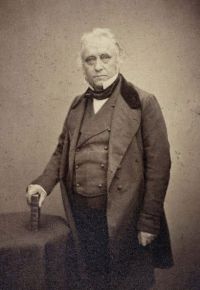
Portrait of Alexandre Dumas Alexandre Dumas,  The Count of Monte Cristo (1845)

“ Thus, the greater number of a man’s errors come before him disguised under the specious form of necessity; then, after error has been committed in a moment of excitement, of delirium, or of fear, we see that we might have avoided and escaped it. ”
Source: Gutenberg

Oliver Prescott Hiller,  God Manifest (1858)

“ But there is another way, also, in which the reason of man was capable of producing evil,—namely, by its liability to error: and error, when acted upon, produces disorder, mental and physical, or, in other words, evil; for disorder, derangement, or perversion of mind is, as shown in the preceding Section, the immediate cause of what we term evil. Man's reason is liable and very liable to error—and this, chiefly by mistaking appearances for realities. ”
Source: Wikisource

Get perspective with Kwize: daily news enlightened by great literature