Harness (animal)

Definition and stakes

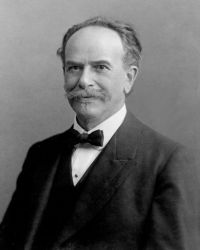
Harvey Riley,  The Mule: A Treatise on the Breeding…

“ If the animal does not work easy in it, if it pinch him somewhere, let it remain in water over night, put it on the animal wet the next morning, and in a few minutes it will take the exact formation of the animal's neck. See that it is properly fitted above and below to the hames, then the impression which the collar takes in a natural form will be superior to the best mechanical skill of the best harness-maker. ”
Source: Gutenberg

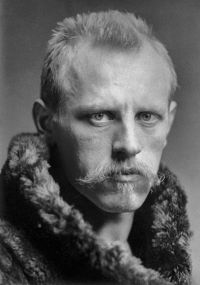
Portrait of Fridtjof Nansen Fridtjof Nansen,  Farthest North, Vol. I

“ Siberian dog-harness is remarkably primitive. A thick rope or a strap of sail-cloth passes round the animal’s back and belly. This is held in its place above by a piece of cord attached to the collar. The single trace is fastened under the belly, goes back between the legs, and must often plague the animal. ”
Source: Gutenberg

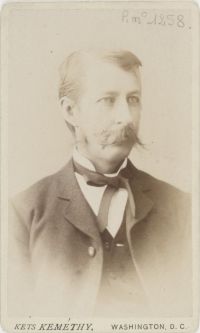
Harvey Riley,  The Mule: A Treatise on the Breeding…

“ Your breeching, or wheel harness, is also another very important part; see that it does not cut and chafe the animal so as to wear the hair off, or injure the skin. If you get this too tight, it is impossible for the animal to stretch out and walk free. Besides obstructing the animal's gait, however, the straps will hold the collar and hames so tight to his shoulder as to make him sore on the top of his neck. These straps should always be slack enough to allow the mule perfect freedom when at his best walk. ”
Source: Gutenberg

Get perspective with Kwize: daily news enlightened by great literature