Heavy metal

Definition and stakes

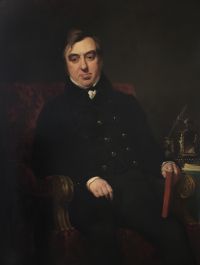
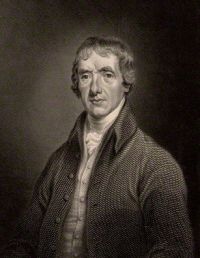
Portrait of John Aikin John Aikin,  Evenings at Home; Or, The Juvenile Budget Opened

“ Metals have both these, and much of their use depends upon them.
Geo. Metals will melt, too.
Har. What! will iron melt?
Tut. Yes; all metals will melt, though some require greater heat than others. The property of melting is called fusibility. Do you know anything more about them?
Geo. No; except that they come out of the ground, I believe.
Tut. That is properly added, for it is this circumstance which makes them rank among fossils, or minerals. To sum up their character, then, a metal is a brilliant, opaque, heavy, malleable, ductile, and fusible mineral.
”
Source: Gutenberg

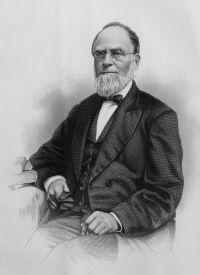
Portrait of John S. C. Abbott John S. C. Abbott,  The Wonders of the World (1856)

“ It is a medicine of much virtue, and the only metal which is always useful, and tends to no injury to mankind.
The ores of iron are scattered over the entire crust of the globe in beneficent profusion, and in proportion to the utility of the metal itself: they are found in every latitude and zone, in every mineral formation, and in every soil and clime.
”
Source: Gutenberg

Francis Rolt-Wheeler,  The Boy With the U.S. Miners

“ As you know, most of the metals have chums or affinities with other substances, just as gold has with mercury. These chums of the metals were also in that molten ocean, but not always in the same proportions, nor yet distributed regularly. So metallic compounds were formed at different times and in diverse places. These compounds had varying densities, with the result that in later ages they behaved in a way quite different from the pure metal. You see, Jim, long before the crust of the earth was even formed, gold was scattered far and wide, and already was in different forms. ”
Source: Gutenberg

Get perspective with Kwize: daily news enlightened by great literature