Horse-drawn carriage

Definition and stakes

House of Commons, Great Britain,  Report from the Select Committee on Steam Carriages… (1831)

“ As far as you have observed, is the injury done to the roads by the passing of the Carriage, greater or less than that by a Carriage drawn by horses?—I think, taking the horses into the account, the injury must be much less; the tire of the wheels is three and a half inches wide, whereas many of the Stage Coaches are as heavy as the Steam Carriage, and with narrower wheels; and I think it is only fair to take the weight of the horses into the account, which I have found to be from eight to ten hundred weight each horse, consequently, four horses would weigh from a ton and a half to two tons. ”
Source: Wikisource

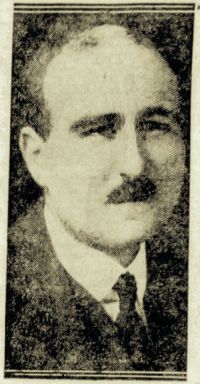
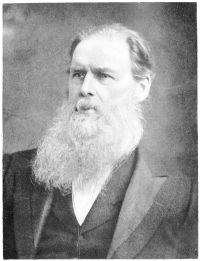
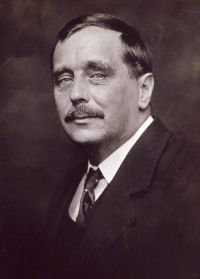
Portrait of H. G. Wells H. G. Wells,  Anticipations

“ If the biggest horses had been Shetland ponies, we should be travelling now in railway carriages to hold two each side at a maximum speed of perhaps twenty miles an hour. There is hardly any reason, beyond this tradition of the horse, why the railway carriage should not be even nine or ten feet wide, the width, that is, of the smallest room in which people can live in comfort, hung on such springs and wheels as would effectually destroy all vibration, and furnished with all the equipment of comfortable chambers. ”
Source: Gutenberg

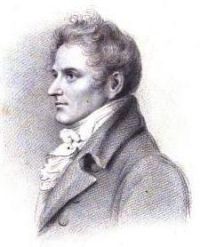
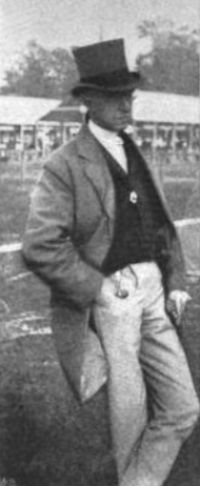
Portrait of Sir John Carr Sir John Carr,  The stranger in France

“ Upon the roof, on the outside, is the imperial, which is generally filled with six or seven persons more, and a heap of luggage, which latter also occupies the basket, and generally presents a pile, half as high again as the coach, which is secured by ropes and chains, tightened by a large iron windlass, which also constitutes another appendage of this moving mass. The body of the carriage rests upon large thongs of leather, fastened to heavy blocks of wood, instead of springs, and the whole is drawn by seven horses. ”
Source: Gutenberg

Get perspective with Kwize: daily news enlightened by great literature