Human population

Definition and stakes

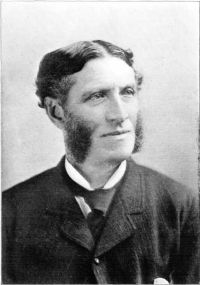
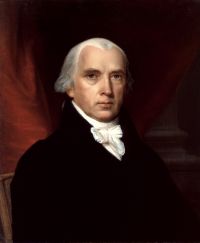
Portrait of John Stuart Mill John Stuart Mill,  Principles of Political Economy (1871)

“ Before attention had been directed to the principle of population as the active force in determining the remuneration of labour, the increase of mankind was virtually treated as a constant quantity: it was, at all events, assumed that in the natural and normal state of human affairs population must constantly increase, from which it followed that a constant increase of the means of support was essential to the physical comfort of the mass of mankind. ”
Source: Wikisource

Portrait of John Stuart Mill John Stuart Mill,  Principles of Political Economy

“ But though improvement may during a certain space of time keep up with, or even surpass, the actual increase of population, it assuredly never comes up to the rate of increase of which population is capable: and nothing could have prevented a general deterioration in the condition of the human race, were it not that population has in fact been restrained. ”
Source: Gutenberg

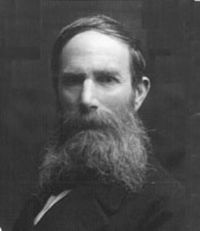
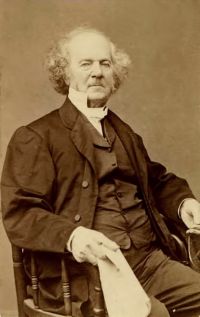
Portrait of James Clerk Maxwell James Clerk Maxwell,  Popular Science Monthly (1874)

“ When the working members of Section F get hold of a report of the census, or any other document containing the numerical data of Economic and Social Science, they begin by distributing the whole population into groups, according to age, income-tax, education, religious belief, or criminal convictions. The number of individuals is far too great to allow of their tracing the history of each separately, so that, in order to reduce their labor within human limits, they concentrate their attention on a small number of artificial groups. ”
Source: Wikisource

Get perspective with Kwize: daily news enlightened by great literature