Inheritance law

Definition and stakes

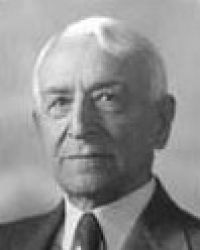
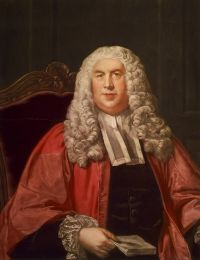
Portrait of William Blackstone William Blackstone,  Commentaries on the Laws of England (1768)

“ Heirs apparent are such, whose right of inheritance is indefeasible, provided they outlive the ancestor; as the eldest son or his issue, who must by the course of the common law be heirs to the father whenever he happens to die. Heirs presumptive are such, who, if the ancestor should die immediately, would in the present circumstances of things be his heirs; but whose right of inheritance may be defeated by the contingency of some nearer heir being born: as a brother, or nephew, whose presumptive succession may be destroyed by the birth of a child ”
Source: Wikisource

Anonymous,  Gesta Romanorum Vol. I (1871)

“ But an ungrateful son ought not to obtain an inheritance; and rather than such, we should adopt a stranger. Therefore, since thou hast been ungrateful to thy father in maintaining me contrary to his command, thou shalt never possess my inheritance." The son thus answered his uncle. "No one can be punished for executing what the law commands and compels. Now the law of nature obliges children to assist their parents in necessity, and especially to honour them: therefore, I cannot justly be deprived of the inheritance." ”
Source: Wikisource

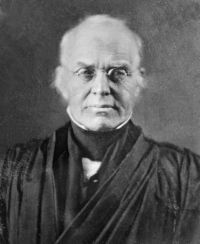
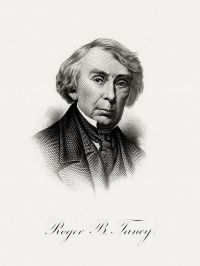
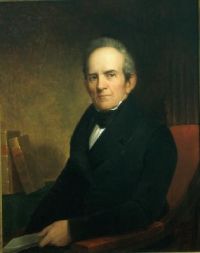
Portrait of Smith Thompson Smith Thompson,  Inglis v. Trustees of the Sailor's Snug Harbour in the City of New York…

“ It is very evident, however, that the court could not have intended to apply this rule to the construction of the statute of wills. For they say, in terms, that the question is, whether a person having a right of entry in lands has an estate of inheritance devisable, according to the provisions of the statute. But under the common law rule referred to, a person having only a right of entry, would not be accounted an ancestor from whom the inheritance would be derived. ”
Source: Wikisource

Get perspective with Kwize: daily news enlightened by great literature