Key (musical instrument)

Definition and stakes

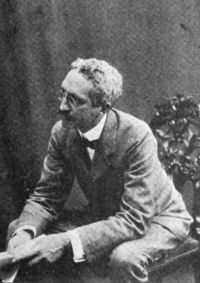
Portrait of James M. Trotter James M. Trotter,  Music and Some Highly Musical People

“ It is called the 'voice harmonium,' because the securing of perfect intonation brings the tones much nearer to the quality of the human voice. The instrument has been invented and patented by Mr. Colin Brown of Glasgow, Ewing lecturer on music. By the use of additional reeds and a most ingenious keyboard, he has succeeded in giving each key in perfect tune. The 'wolf' is banished altogether, without the privilege of a single growl. ”
Source: Gutenberg

Alfred J. Hipkins,  Musical Instruments, Historic, Rare and Unique

“ The movement of the Plain Song, or of any melody with this harmonic structure upon it, was in progressions that no modern musically trained ear could tolerate. Not more than one key of the large church organ could, however, be put down by either hand, as the keys were as broad as the palm, and to press one down required an attack with the player's fist. But the keys of the Portable organ, a processional instrument, were narrow—one hand manipulating the bellows while the player touched the keys with the other. ”
Source: Gutenberg

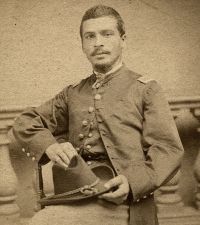
Portrait of James M. Trotter James M. Trotter,  Music and Some Highly Musical People

“ Complete master of the piano-forte keyboard, he calls to his melodious uses, with most consummate ease, all of its resources that are known to skilful performers, as well as constantly discovers and applies those that are new. Under his magnetic touch, this instrument may become, at his will, a music-box, a hand-organ, a harp or a bagpipe, a "Scotch fiddle," a church-organ, a guitar, or a banjo: it may imitate the "stump speaker" as he delivers his glowing harangue ”
Source: Gutenberg

Get perspective with Kwize: daily news enlightened by great literature